Diving into the world of smart homes can feel like learning a new language. You have smart lights, smart plugs, smart speakers, and cameras, but getting them all to work together can be a challenge. That's where a smart home hub comes in. Think of it as the brain of your operation, a central command center that allows all your different devices to communicate with each other.
This post contains affiliate links. We may earn a small commission at no extra cost to you.For beginners, choosing the right hub is the most important first step. You want something that's easy to set up, compatible with a wide range of products, and won't break the bank. Let's explore some of the best options to get you started.
What Does a Smart Hub Actually Do?
At its core, a smart hub translates the different wireless signals from your various devices (like Wi-Fi, Bluetooth, Zigbee, or Z-Wave) into a single language your network can understand. This allows you to create powerful automations. For example, you can set a routine where unlocking your smart lock automatically turns on your entryway lights and adjusts your smart thermostat. Without a hub, these devices would remain isolated islands.
Top Smart Hubs for Beginners
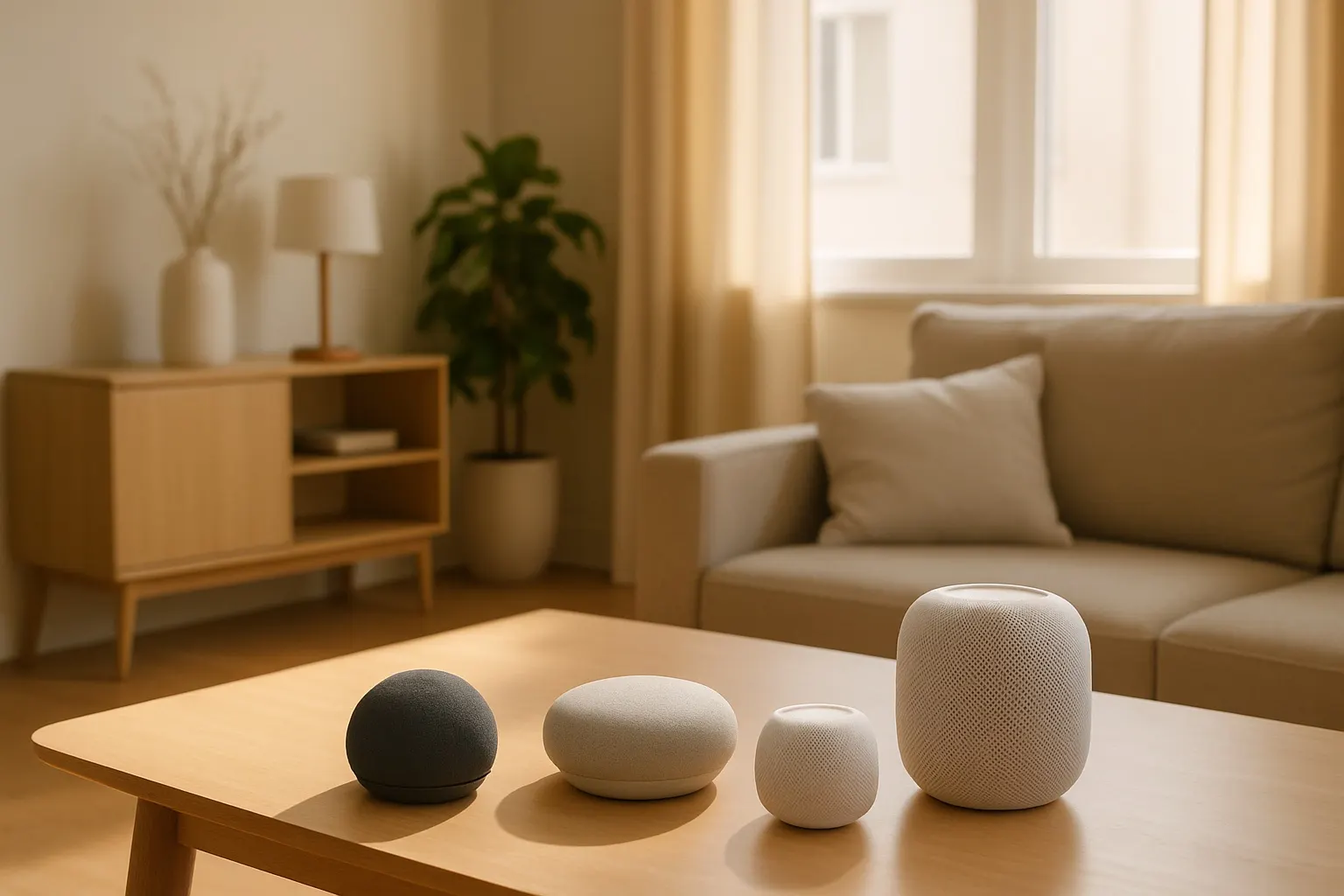
For those just starting, we recommend beginning with a smart speaker that has a built-in hub. These devices are user-friendly, affordable, and offer a fantastic entry point into home automation.
1. The All-Rounder: Amazon Echo Series
The Amazon Echo, powered by Alexa, is arguably the most popular and versatile smart hub available. The latest generation of the Amazon Echo not only delivers excellent sound quality but also includes a built-in Zigbee hub. This means it can connect directly to a huge ecosystem of compatible devices like light bulbs and smart plugs right out of the box, without needing extra hardware.
Why it's great for beginners:- Easy Setup: Alexa's app guides you through the process step-by-step.
- Wide Compatibility: Works with thousands of "Works with Alexa" products.
- Voice Control: Amazon's voice recognition is top-notch, making it easy to control your home with simple commands.
A great first purchase to pair with an Echo is a set of Kasa Smart Plugs. You can instantly make any "dumb" appliance like a lamp or fan smart.
2. The Google Assistant Powerhouse: Google Nest Hub
If you're already invested in the Google ecosystem (using Android, Gmail, or Google Calendar), the Google Nest Hub is a fantastic choice. While it relies on Wi-Fi and Bluetooth for most connections, its real power lies in the seamless integration with Google Assistant. The on-screen display also provides visual feedback, which can be great for viewing security camera feeds or following a recipe.
Why it's great for beginners:- Visual Interface: The screen is perfect for managing your day, viewing photos, or watching videos.
- Powerful Routines: Google Assistant's routine-building capabilities are intuitive and robust.
- Ecosystem Integration: Works flawlessly with other Google Nest products and Chromecast.
To expand your Google-powered smart home, consider adding some Philips Hue smart bulbs. They integrate perfectly and offer a stunning range of colors to set any mood.
Getting Started: Your First Automation
Once you've chosen your hub, the fun begins. Start with a simple automation to get a feel for it. A classic "Good Morning" routine is a great first step.
You could program it so that when you say "Hey Google, good morning," your hub will:
- Turn on your bedroom lights gradually.
- Start playing your favorite morning playlist or news briefing.
- Turn on the smart coffee maker you've plugged into a smart plug.
- Tell you about the weather and your first calendar event.
Choosing your first smart home hub doesn't have to be complicated. By starting with a popular and well-supported platform like Amazon Alexa or Google Assistant, you set yourself up for a scalable and enjoyable smart home experience.