TL;DR: The Google Nest Thermostat is the best smart thermostat for most apartment renters — it's affordable, installs in 30 minutes, and works without a C-wire. Most users report 10-15% savings on heating and cooling bills. You can swap your old thermostat back when you move out.
If you've ever stared at your energy bill and wondered where all that money went, you're not alone. According to the U.S. Department of Energy, heating and cooling account for nearly half of the average household's energy costs. Apartment dwellers often feel powerless to do anything about it. The good news? A smart thermostat can cut those bills significantly. Many models work perfectly in rental units without any permanent modifications.
Let's break down everything you need to know about picking the right smart thermostat for your apartment.
Why Apartment Renters Need Smart Thermostats
Traditional programmable thermostats are fine, but they rely on you actually programming them. Let's be honest — most of us set it once and forget it. Smart thermostats learn your schedule, adjust automatically, and let you control everything from your phone. No more heating an empty apartment all day while you're at work.
For renters specifically, smart thermostats offer a few key advantages:
- No permanent installation required — most replace your existing thermostat and swap back when you move out
- Immediate energy savings — many users report 10-15% reductions on heating and cooling bills
- Remote control — forgot to turn off the AC before a weekend trip? Handle it from your phone
- Integration with other smart devices — pair with smart plugs for whole-apartment automation
What to Check Before You Buy
Before ordering a smart thermostat, take a quick look at your current setup:
1. Check your wiring. Pull off your current thermostat cover and look at the wires. Most smart thermostats need a C-wire (common wire) for power. If you don't have one, don't panic — some models include adapter kits, and others run on batteries. 2. Check your HVAC system. Smart thermostats work with most standard systems (forced air, heat pumps, radiant). Some older or unusual setups may not be compatible. Most manufacturers have online compatibility checkers. 3. Check your lease. Swapping a thermostat is generally considered a minor, reversible change. It's worth confirming with your landlord. Keep the original thermostat so you can reinstall it when you move.Top Smart Thermostats for Apartment Living
Google Nest Thermostat — Best for Most Renters
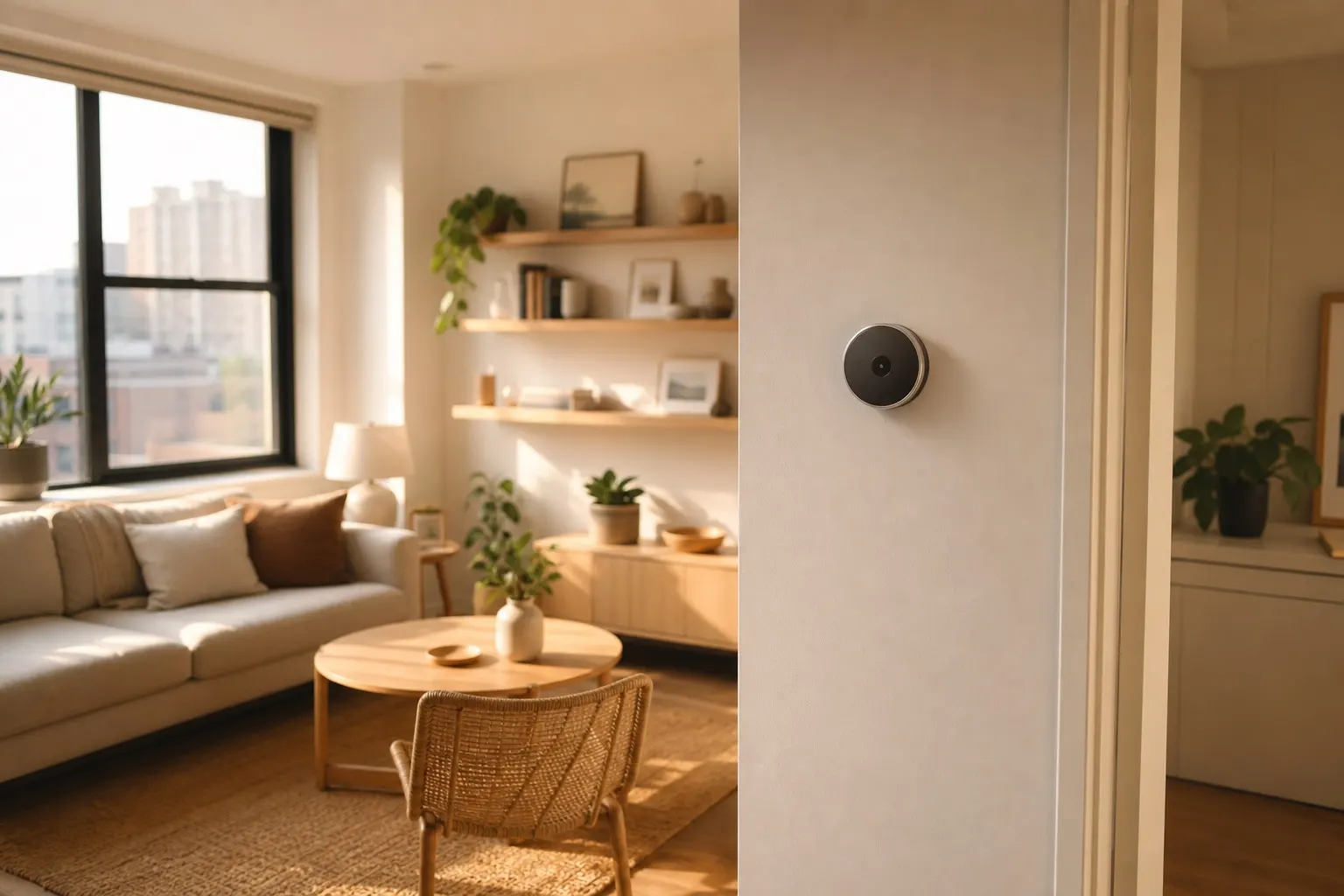
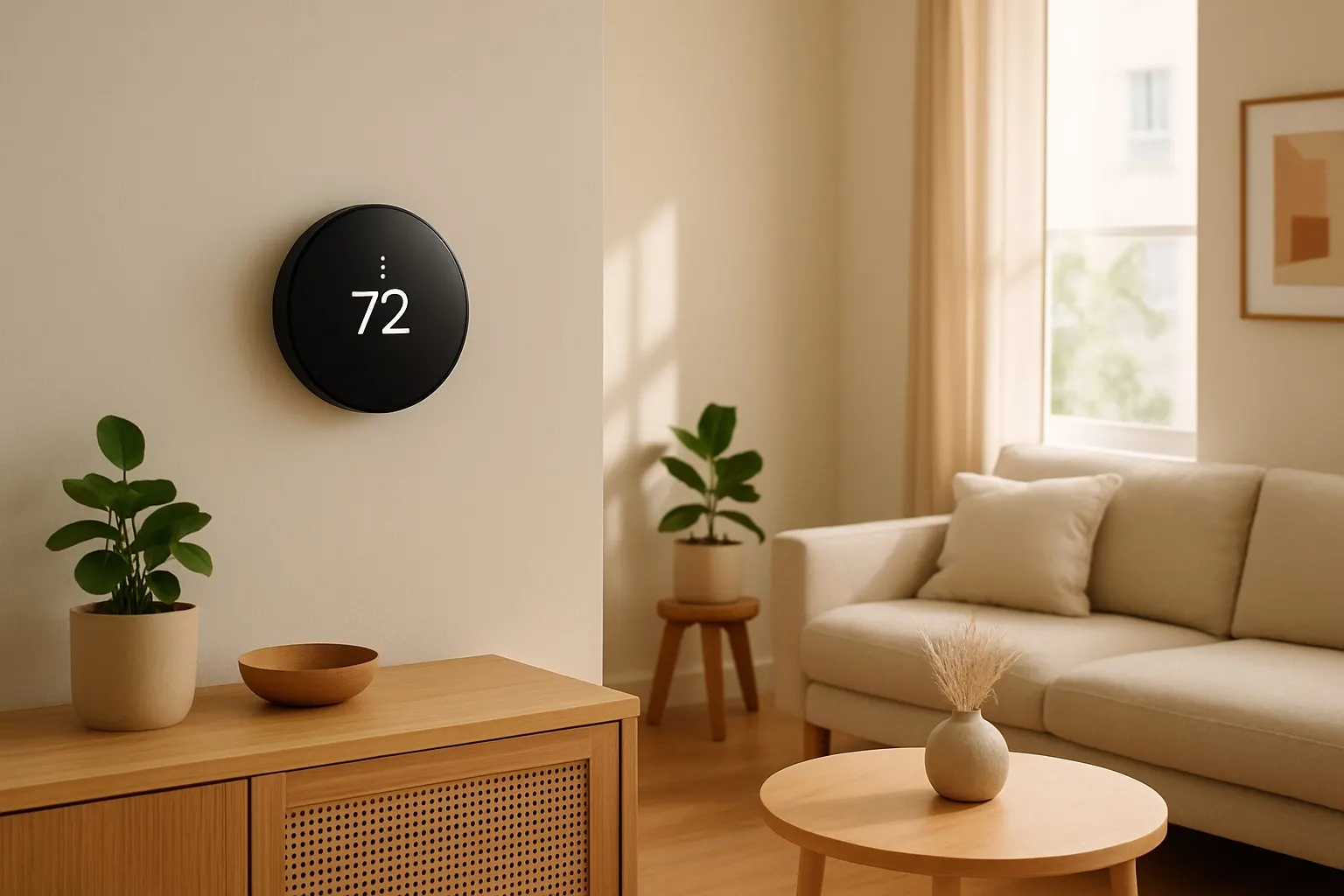
The standard Nest Thermostat (not the Learning model) hits the sweet spot for renters. It's affordable and easy to install in about 30 minutes. It includes a trim kit that covers any paint marks left by your old thermostat. It works without a C-wire using its built-in battery, which is a huge plus for older apartment buildings.
The app is clean and intuitive. It integrates seamlessly with Google Home if you already use a smart speaker for voice control.
Amazon Smart Thermostat — Best Budget Option
If you're already invested in the Alexa ecosystem, the Amazon Smart Thermostat is hard to beat on value. It's one of the most affordable smart thermostats on the market. It works with Alexa routines right out of the box. The trade-off is a simpler design and fewer advanced learning features. For basic scheduling and remote control, it does the job well.
Ecobee Smart Thermostat — Best for Uneven Temperatures
For those who want the most features, Ecobee's lineup stands out. Their thermostats come with remote room sensors. This is particularly useful in apartments where one room might be significantly warmer or cooler than another. If your bedroom is always freezing while the living room roasts, a room sensor lets the thermostat balance things out.
Ecobee requires a C-wire but includes a power extender kit in the box for apartments that don't have one.
Installation Tips for Renters
Installing a smart thermostat is genuinely a beginner-friendly project. Here's the process:
- Turn off your HVAC system at the breaker
- Photograph your current wiring before disconnecting anything — this is your reinstallation reference
- Label each wire with the stickers included in most thermostat kits
- Mount the new base plate and connect the wires
- Attach the thermostat and restore power
The whole process takes 20-30 minutes. Keep a small screwdriver set handy — we recommend a precision screwdriver kit if you don't already have one, since thermostat screws tend to be small.
Pro tip: Store your old thermostat and its mounting hardware in a labeled bag. Tape it inside your utility closet so it's there when you move out.Maximizing Your Savings
A smart thermostat alone will save you money, but pairing it with good habits amplifies the effect:
- Use scheduling aggressively. According to Energy Star, setting the temperature back 7-10 degrees F for 8 hours a day can save up to 10% annually on heating and cooling. The thermostat can start warming or cooling before you wake up or arrive home.
- Enable geofencing. Most smart thermostats can detect when your phone leaves a certain radius and automatically switch to an energy-saving mode.
- Check your energy reports. All major smart thermostats provide monthly usage data. Review it occasionally to spot patterns and optimize.
- Seal drafts. A smart thermostat can't fix a leaky window. Pick up some window insulation film for under $20 and you'll notice the difference immediately.
The Bottom Line
A smart thermostat is one of the highest-impact, lowest-effort upgrades you can make in an apartment. Most models install in under 30 minutes, require no permanent changes, and start paying for themselves within a few months through energy savings. Whether you go with the budget-friendly Amazon option or the feature-rich Ecobee, you're making a smart move — literally.
Pick the one that fits your ecosystem, install it on a Saturday morning, and start wondering why you didn't do it sooner.
Frequently Asked Questions
Can I install a smart thermostat in my apartment without my landlord's permission?
Swapping a thermostat is generally considered a minor, reversible modification. Most landlords allow it, especially since it improves energy efficiency. Always check your lease first and keep the original thermostat for reinstallation when you move out. A quick email to your landlord is good practice.
What is a C-wire and does my apartment have one?
A C-wire (common wire) provides continuous 24V power to your thermostat. To check, remove your current thermostat cover and look for a wire connected to the "C" terminal. Many older apartments lack one. The Google Nest Thermostat works without a C-wire. The Ecobee includes a power extender kit as a workaround.
How much money will a smart thermostat actually save me?
As of 2026, most smart thermostat manufacturers report average savings of 10-15% on heating and cooling bills. For a typical apartment with $150/month energy costs, that's $15-23 per month. The thermostat typically pays for itself within 3-6 months.
Do smart thermostats work with window AC units?
Standard smart thermostats are designed for central HVAC systems and won't work with window AC units directly. However, you can use a smart plug with a window AC unit to add scheduling and remote on/off control. Some window AC brands now offer built-in Wi-Fi for app control.
Can I take my smart thermostat with me when I move?
Yes. Smart thermostats are designed to be removable. Before moving, reinstall the original thermostat (which is why you saved it), reset the smart thermostat to factory settings, and set it up fresh in your new apartment. The process takes about 20 minutes each way.
Which smart thermostat works best with Alexa?
The Amazon Smart Thermostat offers the tightest Alexa integration since it's built for the ecosystem. The Ecobee also works well with Alexa and includes a built-in Alexa speaker. The Google Nest Thermostat works with Alexa too, but its deepest integration is with Google Home.