Living in a rental often comes with unique challenges, especially when it comes to customizing your living space. When you can't make permanent changes, it might feel like energy efficiency is out of your hands. But what if you could monitor and manage your energy consumption, identify energy vampires, and save on your utility bills without breaking your lease? Welcome to the world of smart home energy monitoring for renters!
This post contains affiliate links. We may earn a small commission at no extra cost to you.Smart energy monitoring isn't just for homeowners. Renters can leverage a variety of innovative, non-invasive devices to gain valuable insights into their energy usage. These tools empower you to make informed decisions, reduce waste, and ultimately put more money back in your pocket.
Why Renters Need Energy Monitoring
Even if your landlord pays for some utilities, electricity bills can quickly add up, especially with older appliances or inefficient heating/cooling systems. Energy monitoring helps you:
- Identify energy hogs: Pinpoint which devices or habits are consuming the most power. Is that old mini-fridge costing you a fortune? Is your TV drawing power even when off?
- Optimize usage: Adjust your routines based on real-time data. Maybe you can run the dishwasher during off-peak hours or unplug devices when not in use.
- Negotiate with landlords (optional): If you can demonstrate high energy usage due to outdated appliances, you might have a stronger case for upgrades or rent adjustments.
- Reduce your carbon footprint: Contribute to a greener planet by minimizing unnecessary energy consumption.
Easy-to-Install Solutions for Renters
The beauty of these solutions is their portability and ease of installation, requiring no wiring or permanent fixtures.
1. Smart Plugs with Energy Monitoring
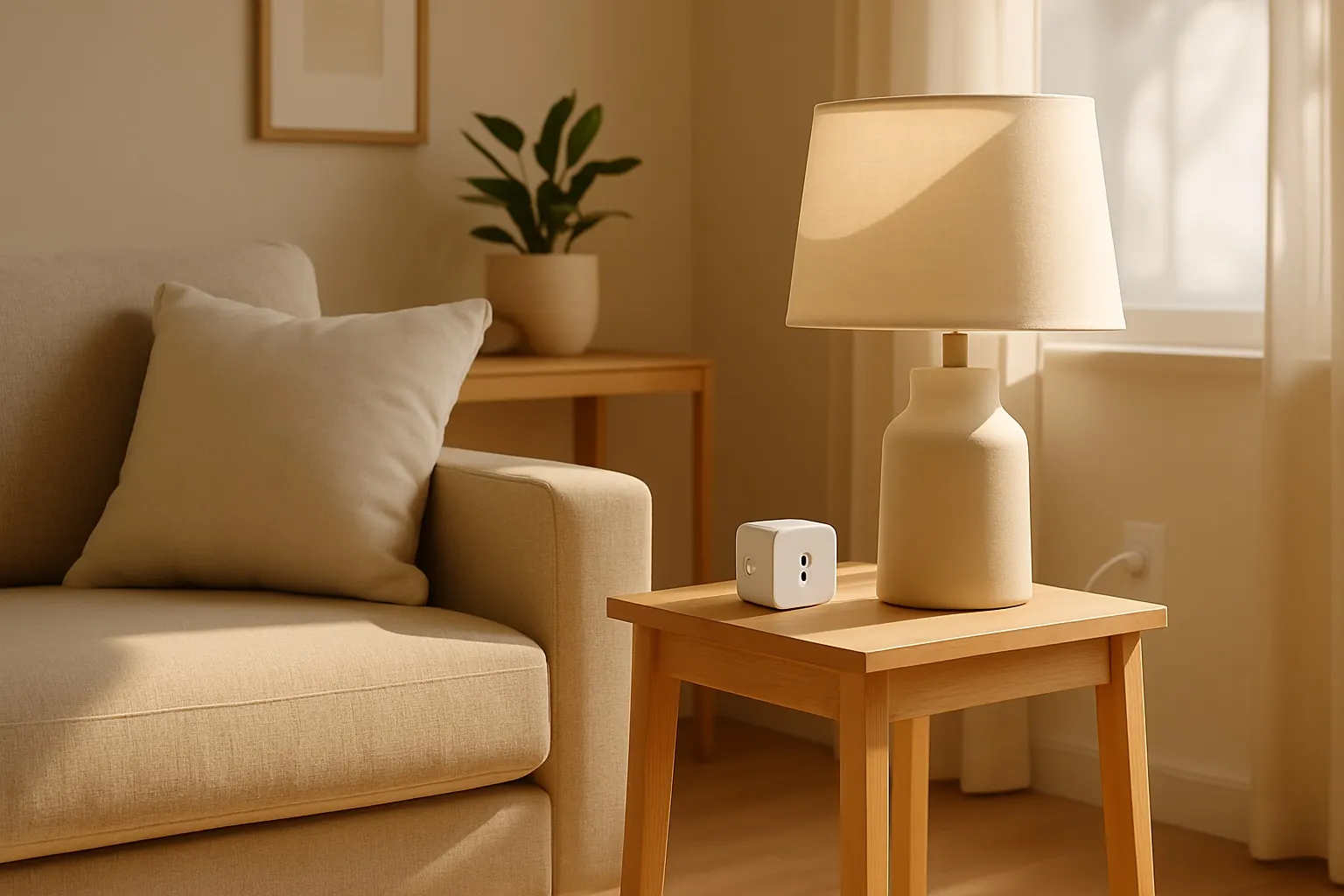
This is arguably the easiest and most effective way for renters to start monitoring energy. Smart plugs like the TP-Link Kasa Smart Plug Mini not only allow you to remotely control any device plugged into them but also track its energy consumption. Many smart plugs come with companion apps that provide detailed daily, weekly, and monthly reports, helping you visualize which devices are the biggest energy users.
How it helps: Plug in your coffee maker, desk lamp, or even your entertainment system, and you'll instantly see how much power each consumes. You can then set schedules to turn them off automatically when not needed or simply unplug them during long periods of inactivity.2. Whole-Home Energy Monitors (Non-Invasive)
While many whole-home monitors require installation in your electrical panel, some innovative solutions are designed to clip onto your main power lines without direct wiring, making them renter-friendly. Devices like the Sense Energy Monitor (check for clamp-on, non-invasive versions) can provide a comprehensive overview of your entire apartment's energy usage. These are slightly more involved but still typically don't require professional installation or landlord approval.
How it helps: Get a bird's-eye view of your apartment's total energy consumption. Sense, for example, uses machine learning to identify individual appliances based on their unique electrical signatures, giving you a detailed breakdown without needing smart plugs on every single device.3. Smart Power Strips
For your home office or entertainment center, a smart power strip is a game-changer. These strips often feature multiple outlets that can be individually controlled and sometimes include energy monitoring capabilities for each outlet. They're perfect for tackling "phantom load" – the electricity consumed by electronics even when they're turned off.
How it helps: Easily manage multiple devices at once. You can power down your entire workstation or entertainment setup with a single command or schedule, ensuring no energy is wasted while you're away or asleep.4. Smart Thermostats (Portable Options)
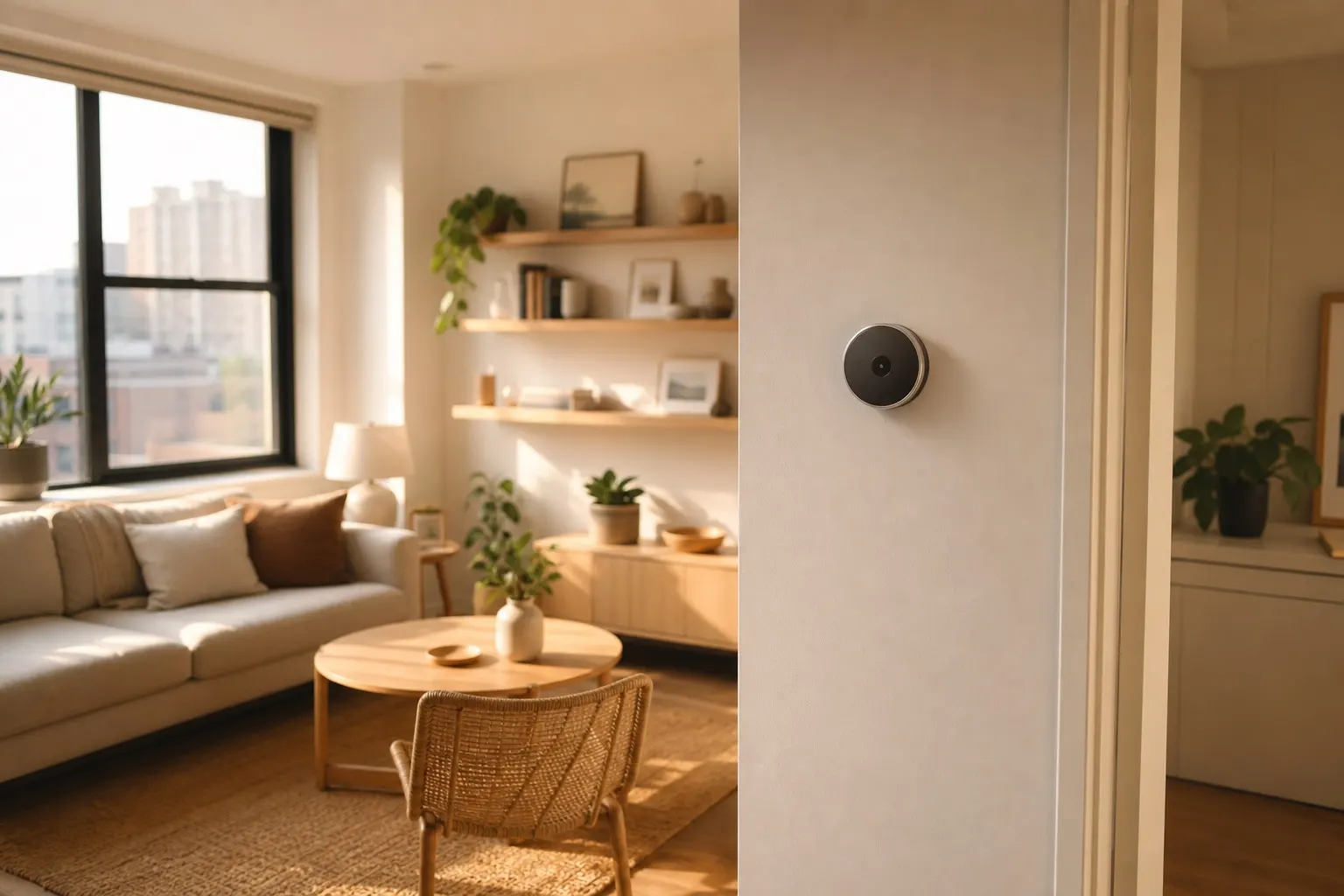
While many smart thermostats require wiring, there are portable, plug-and-play options available that can monitor and help manage your heating and cooling without complex installation. These often use sensors to detect occupancy and adjust temperatures, working well in apartments where central thermostats might be hard to control. Even if you can't replace the main thermostat, individual smart room sensors can help optimize heating/cooling in specific areas by communicating with your smart thermostat (if you have control over one) or even portable smart HVAC units.
How it helps: Fine-tune your climate control to avoid heating/cooling empty rooms or running the system unnecessarily, leading to significant savings on your biggest energy hog.Getting Started with Energy Monitoring
- Start Small: Begin with a few smart plugs for your most-used appliances or those you suspect are energy hogs.
- Analyze Data: Use the accompanying apps to track your energy usage patterns. Look for spikes and consistent draws.
- Adjust Habits: Based on your findings, modify your routines. Unplug chargers, turn off lights, or schedule devices to power down.
- Expand Gradually: As you become more comfortable, consider adding more smart plugs or exploring a whole-home monitoring solution if it suits your rental setup.
Smart home energy monitoring is a powerful way for renters to take control of their utility bills and contribute to a more sustainable lifestyle, all without risking your security deposit. Start small, observe, and enjoy the savings!